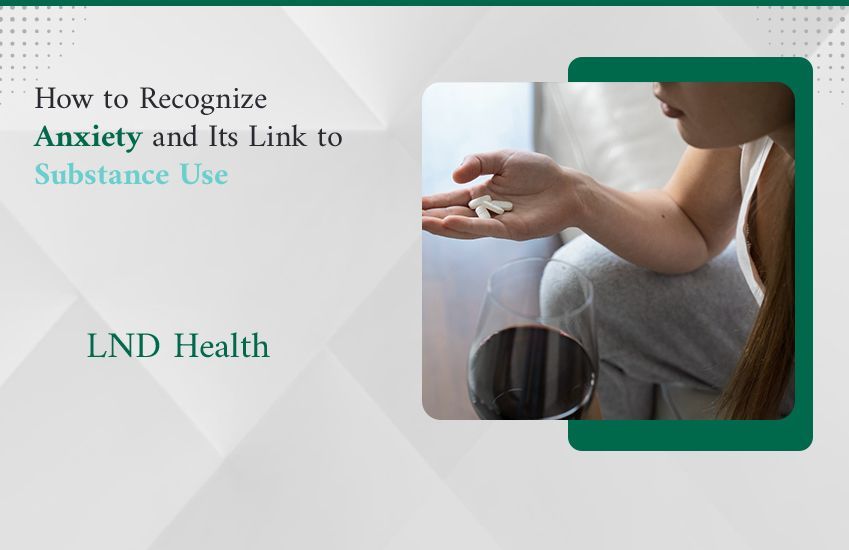
How to Recognize Anxiety and Its Link to Substance Use

Anxiety can feel heavy. It can make your heart pound, your hands sweat, and your thoughts race. Sometimes, people reach for a drink or a pill to calm down. But that can lead to more trouble. Let's break it down and look at how anxiety and substance use connect and what you can do.

Life and Destiny Health care about you at every stage. We're here with telemedicine, concierge services, and face to face visits to give you whole person care for body and mind.


What is Anxiety?

Anxiety is more than just feeling worried. It is a signal from your mind and body that something feels off. You might notice:

  • Your chest feels tight.
  • You can't stop thinking about the same thing.
  • You feel jumpy or restless.
  • You have trouble sleeping or eating.

What this means is that anxiety can affect your day to day life. It can make school, work, or even time with family hard.


Why Some Turn to Substances

When anxiety hits hard, some people look for quick relief. A drink, a puff, or a pill might calm the mind for a bit. Here's the thing: it can feel like a shortcut. You get a moment of calm. But that calm often doesn't last. It can make anxiety worse next time.


How Anxiety and Substance Use Link

Let's break it down:

  • Anxiety spikes. You feel scared or on edge.
  • You try a substance to calm your nerves.
  • The relief fades, and your body craves more.
  • You may use the substance more often.
  • Over time, you might build a habit or dependency.

What this means is a cycle. Anxiety drives you to substances. Substances change your brain. Then anxiety comes back stronger. It can feel like a trap.


Signs of Substance Use

Watch for these clues in yourself or others:

  • Using more than planned.
  • Feeling a strong urge when you can't use.
  • Missing school, work, or chores.
  • Lying or hiding how much you use.
  • Mood swings or sudden quietness.

If you see these, it's a signal to get help.


Why It Matters

Anxiety plus substance use can harm your health. It can strain relationships and hurt your goals. However, the reality is that you can regain your momentum. You don't have to face this alone.


What You Can Do

Here are the steps that you can attempt now:

Share with a Trusted Friend

  • Share your ideas with a friend, family member, coach, or teacher. Talking about your feelings can be helpful.

Build Simple Habits

  • When you're feeling stressed, consider these actions: inhale deeply and slowly. Go for a short walk or perform a few stretches. Additionally, focus on one good thing that happened today.

Limit or Skip Substances

  • Experiment with a day without alcohol, caffeine, and drugs. Watch your body and mind respond.

Learn to Relax

  • Try a relaxing activity. You can listen to music, draw, or watch a funny video.

Acknowledge Your Efforts

  • Treat yourself to a sticker or a note for every healthy action you accomplish.


When to Seek Professional Help

If anxiety or substance use feels too big to face alone, reach out. You don't need to wait until it's an emergency. Early help makes a big difference.


How Life and Destiny Health Can Help

You deserve care that fits your life. At Life and Destiny Health, we provide mental health services that consider the whole you.

Telemedicine Visits

  • Talk with a counselor from home. It's private and easy.

Concierge Services

  • Get extra support. We help you find the right specialist, set up tests, or answer questions fast.

Face to Face Visits

  • Some days, you want to sit in a comfy office and talk in person. We're here for that, too.


Whole Person Care

From the youngest child to the oldest adult, we treat both mind and body. We work with you on acute stress and long term wellness. That means:

  • Counseling for anxiety and substance use disorders.
  • Plans for healthy habits and stress management.
  • Coordination with your primary care and other specialists.

We don't just treat symptoms. We help you build skills for life.


What to Expect in Your First Visit

  • A warm hello. 
  • A private conversation about your thoughts and needs. 
  • Easy tools to use right now, like breathing exercises.
  • A plan that fits your schedule and goals.


Next Steps

What this means is you're not stuck. You can take one small action today:

  • Call our office for a telehealth appointment.
  • Send an email to set up a concierge check-in.
  • Book an in-person visit online in minutes.


Conclusion

Anxiety and substance use can be heavy, but you can lighten the load. Start with small steps. Reach out to someone. Try a calming activity. Don’t hesitate to seek help if you need it. Life and Destiny Health is here for you, both online and in person. You don’t have to travel this road alone. Let’s move forward together. Reach out today.


FAQs


Q. When should I ask a doctor or helper for support?

If my worries seem too big or I want to use drinks or pills to cope, I should ask for help.


Q. What will happen on my first visit to Life and Destiny Health?

Someone kind will listen. They will ask how I feel and share easy steps I can try today.

By David kwami January 16, 2026
It can be hard to know if you are using substances to cope. You may feel alone or scared. We will help you see signs. We will use clear and straightforward language. Our approach will be kind and transparent. If you need assistance, we are here to help. What Is Substance Use? Substance use means using drugs or alcohol. Some people use them once in a while. Others use them more and more. When use starts to cause harm, it may be a substance use disorder. That means the use is affecting daily life, mood, work, or health. Why People Use Substances to Cope People turn to substances for many reasons. You might use them to: Calm down when you feel anxious or stressed . Stop feeling sad or lonely. Sleep when your mind is racing. Forget hard times or bad memories. Using once does not always mean a disorder. But if it becomes a main way to cope, it can become a problem. Signs to Watch For Look for changes in how you feel and act. These signs are warning flags: You use more than you planned. You try to cut down but can’t. You spend a lot of time getting, using, or recovering. You crave the substance. You keep using even when it hurts your body or mind. You stop doing things you used to enjoy. Your sleep or eating changes a lot. Your mood swings or you feel more anxious or angry. You have money or legal trouble because of use. You hide your use or lie about it. If several of these fit you, it may be time to get support. Changes in Your Life to Notice Substance use shows up in everyday life. Check for: Work or school problems. Trouble with friends or family. Missing events or not caring about plans. A mood that swings from happy to very low. Health problems like stomach pain, headaches, or more colds. These changes may be small at first. They can grow if not noticed. How to Ask Yourself Simple Questions Try these short questions. Answer with yes or no: Do I feel better when I am sad or scared? Do I think about using a lot during the day? Have I tried to stop and could not? Has my use caused trouble at home, work, or school? If you said yes to one or more, reach out to someone you trust or a health provider. When to Get Help Get help right away if you: Feel like you might hurt yourself. Think you might hurt someone else. Have severe shaking, fever, or you cannot wake up. Need more of the substance just to feel normal. Call emergency services or go to the nearest clinic if this happens. How We Can Help at Life and Destiny Health We work with you in a kind and whole-person way. We offer both in-person and telehealth visits. This means you can talk to us from home or come in. Our services include: Primary and urgent care for physical health. Mental health services to support your mind. Substance use care and help to make a plan. Health education and wellness coaching to build new skills. Dr. David Selasi Kwami leads our care with deep experience. He has worked in primary care, mental health and substance use care. He meets patients where they are. He respects your story and your pace. What to Expect When You Reach Out When you call or book a visit, we will listen first. You can tell us what you want. We will not judge. We will ask about your use, health and how it affects your life. Then we will make a simple plan with you. That plan may include: A safety plan for hard moments. Planning for medical care or testing if needed. Therapy to learn new ways to cope. Medication when it can help. Referrals to support groups or rehab if needed. We can help in one visit or many. We work with you step by step. Simple Ways to Start Right Now Try one small step you feel okay with: Tell one person you trust how you feel. Delay use by 1 hour when you feel the urge. Use that hour to walk, call, or breathe. Write down why you want to change and keep it where you can see it. Make a list of safe people to call when you feel low. Schedule a visit with a health provider for a check-in. Small steps add up. You do not have to do everything at once. You Are Not Alone Many people use substances to cope. Many people also find help and healing. Asking for help is brave. It does not mean you failed. It means you want to take care of yourself. If you want to talk, we are here. Life and Destiny Health offers telehealth and in-person care. Dr. Kwami and our team are ready to listen with care. You can ask for a visit for mental health, substance use support, or general health needs. We will meet you where you are and help you find the next good step. FAQs Q. What is a substance use disorder? It is when using alcohol, drugs, or medicines causes harm in your life. It makes daily life harder. Q. Does this include prescription medicine? Yes. Using more medicine than your doctor told you can be a problem too.
Types of Depression: Major, Persistent, and Seasonal Patterns
July 30, 2025
Learn about major depressive disorder, persistent depression, and seasonal affective disorder. Expert professional help at Life and Destiny Health.